
What does summer mean to you? Wimbledon fortnight? BBQs? Lazy, balmy evenings spent in beer gardens?
Or, for many hotels, summer means one thing above all else... wedding season.
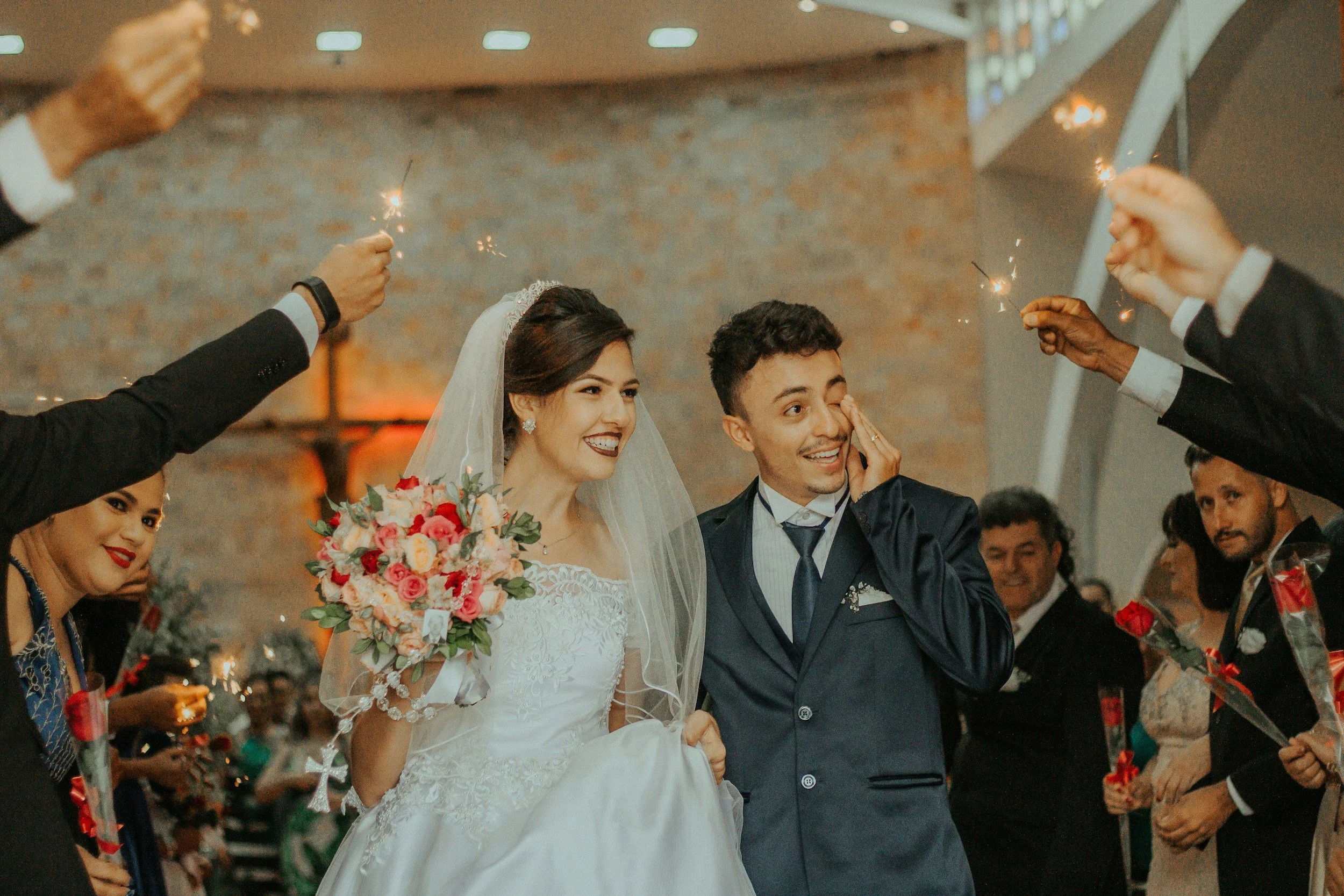
By now, many hotels will have hosted dozens of weddings. The function suites have been busy, bedrooms have filled with family and friends, and teams have worked incredibly hard to deliver memorable celebrations.
But now that we're halfway through the season, it's worth asking a different question.
From a commercial perspective, what have we actually learned?
Because while some of the weddings themselves may be over, the data they leave behind can be incredibly valuable.
Which weddings generated the greatest overall value? Did room allocations work as expected? Did you leave ADR on the table? Were you turning away higher-rated transient business without realising it?
These aren't questions that will change the weddings you've already hosted. But they could make a significant difference to the ones you'll sell next year.
Here are six questions I'd be asking before the season gets away from us.
1. Did Every Wedding Deliver the Value You Expected?
It's easy to judge a wedding by the package value. But was that really the full picture?
Some weddings generate significant accommodation revenue, extended stays, additional dining, bar spend and even repeat business. Others may have delivered a similar package value but contributed far less across the rest of the hotel.
It's also important to consider what the wedding may have prevented you from selling. Weddings often fill bedrooms with family and friends, but they can leave other parts of the hotel noticeably quieter. The restaurant may have fewer diners, the spa may be missing day guests, the golf course could be quieter and the bar may lose valuable passing trade.
The question isn't simply "What did the wedding generate?" It's also "What incremental revenue did it prevent us from generating?"
Looking beyond the function suite and considering both the revenue created and the revenue displaced often tells a very different commercial story.
The true value of a wedding isn't measured by the wedding package alone. It's measured by its net contribution to the hotel as a whole.
2. Did We Allocate the Right Number of Bedrooms?
Every hotel wants to make sure the wedding party is well looked after.
But it's always a balancing act. Allocate too few rooms and you risk disappointing guests. Allocate too many and you may be holding back inventory that could have been sold elsewhere.
· Looking back over the first half of the season, were your room blocks actually used?
· Did some room types consistently remain unsold?
· Were unused rooms released back into inventory early enough?
Understanding actual pick-up against allocated inventory can help shape much smarter room allocation strategies next season.
3. What Business Did We Displace?
Every commercial decision has an opportunity cost. While wedding guests may fill your bedrooms, the wedding itself may also influence demand across the rest of the hotel.
The real question isn't whether displacement happened. It's whether it was the right commercial decision.
· Were those weddings taking place during periods of naturally high demand?
· Were transient guests paying significantly higher rates that weekend?
· Did you turn away other business because of generous room allocations?
It's also worth looking at unconstrained demand. If every room had been available to sell, what demand would you have expected to see and at what rate?
Those answers can give you a much clearer understanding of the true opportunity cost of each wedding and whether your room allocation and pricing strategy delivered the best commercial outcome.
4. Did We Capture the Full Value of Demand?
Wedding weekends often create a ripple effect across the hotel.
As accommodation fills with family and friends, the value of your remaining inventory changes too.
Looking back, ask yourself:
Did your pricing reflect that increased demand?
Could ADR have been pushed further as occupancy increased?
Did you push your BAR rate too high in an effort to protect your contracted wedding rate, discouraging transient bookings?
Could you have opaqued the contracted wedding rate and created attractive leisure packages that encouraged additional bookings while still protecting the agreed rate?
Did your premium room types sell too early?
Were there opportunities to adjust pricing as booking pace accelerated?
Selling out is one thing. Selling out at the right rate, while attracting the right mix of business, is something else entirely.
5. How Accurate Were Our Assumptions?
Every wedding season teaches us something. Perhaps guests booked accommodation much later than expected…or fewer guests stayed overnight. Maybe Friday weddings generated stronger bedroom demand than Saturdays. Or perhaps room allocations were much larger than they actually needed to be.
The more you compare forecasts with actual booking behaviour, the more confidence you'll have when making decisions for future weddings.
6. What Will We Do Differently Next Year?
This is probably the most important question of all.
Looking back over the first half of the season, what patterns have emerged?
· Which weddings generated the greatest overall value?
· Which room allocation strategies worked best?
· Where did you leave revenue on the table?
· Which Saturdays would you price differently if they were booking today?
The answers may not change this year's weddings, but they'll almost certainly influence the way you price, forecast and manage the next ones.
The Best Time to Review Is Now!
By this stage of the season, most of the big commercial decisions have already been made. The weddings are contracted; room blocks have been agreed and much of the pricing is already set.
That's exactly why now is such a good time to review performance.
The detail is still fresh. Booking patterns are still easy to analyse. And the lessons are much easier to spot before another season comes around.
By reviewing performance now, hotels can identify patterns that strengthen future pricing, room allocation strategies and forecasting. The weddings you've already hosted often provide the most valuable insight for the weddings you'll sell next year.
Because every wedding tells a story (and I don’t just mean for the happy couple) but also about how your hotel performed commercially.
The hotels that consistently outperform aren't necessarily the ones that host the most weddings. They're the ones that take the time to understand the data behind them and use those insights to make even better commercial decisions next season.
